


The Secret to a Calm, Joyful Preschool Photo Day (It’s Not Just the Camera)


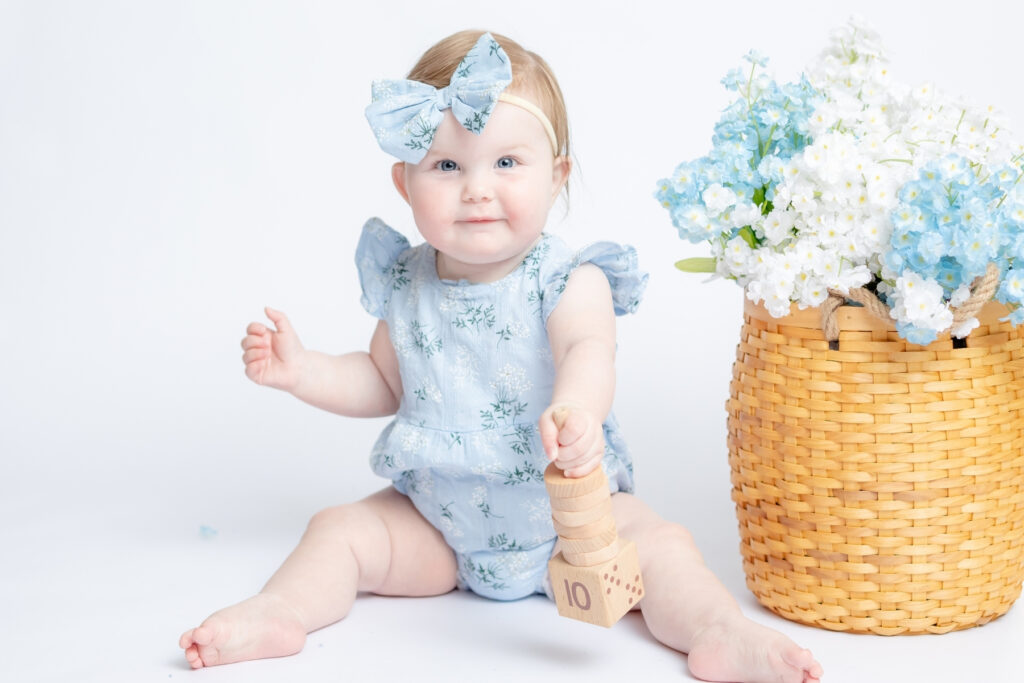
If you’ve ever experienced a preschool photo day that felt more like herding cats than capturing smiles, you’re not alone.
And here’s the truth most people miss:
The biggest difference between a stressful photo day and a smooth, joyful one isn’t the camera.
It’s how the photographer interacts with children.
At Kate Byars School Portraits, one of the most common things directors tell us after a photo day is this:
“Your team is just… so nice with our kids.”
That’s not accidental. It’s intentional.
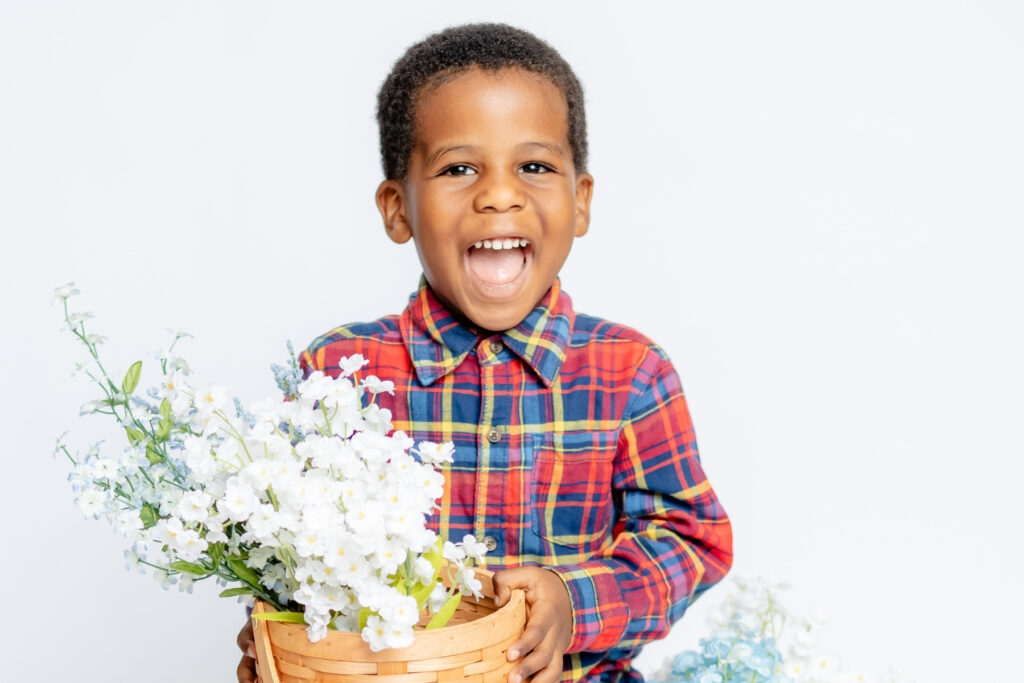
Why Our Approach Feels Different
We partnered with early childhood specialist Pheriche Perkins to shape exactly how we engage with children during photo day—based on how young kids actually think, process, and respond.
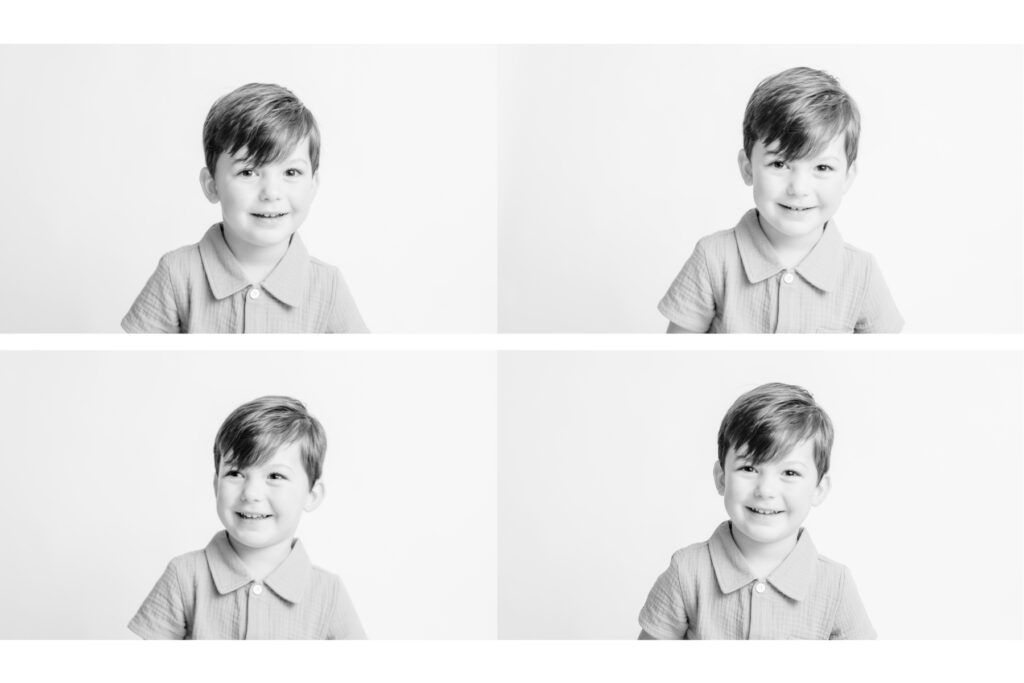
The result? A calmer environment, happier kids, and genuine expressions parents love.
Here are a few of the simple (but powerful) shifts we use:
1. We Keep Language Simple and Clear
Young children respond best to short, direct phrases.
Instead of:
“Ella, can you come sit over here beside this green dinosaur if you want to take a photo?”
We say:
“Ella, sit, please.”
Clear. Kind. Easy to follow.
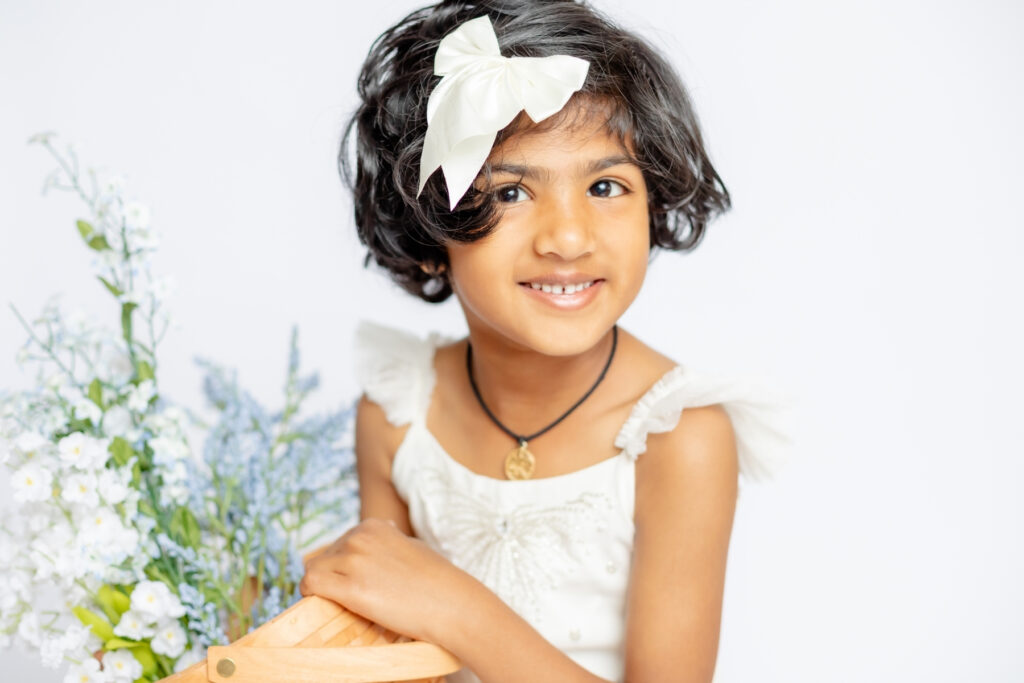
2. We Turn Redirection Into Play
Rather than correcting behavior, we invite kids into a game.
Instead of:
“No, Billy! Don’t run!”
We say:
“Where’s Billy? Peek-a-boo!”
Suddenly, cooperation feels like fun—not pressure.
3. We Narrate What’s Happening
For many children, photo day is a brand-new experience. Narrating removes uncertainty and builds trust.
We might say:
- “We are making a picture for mama! I’ll send it to her phone!”
- “I’m going to fix your hair bow because mama loves it so much!”
It helps children feel safe, seen, and included.
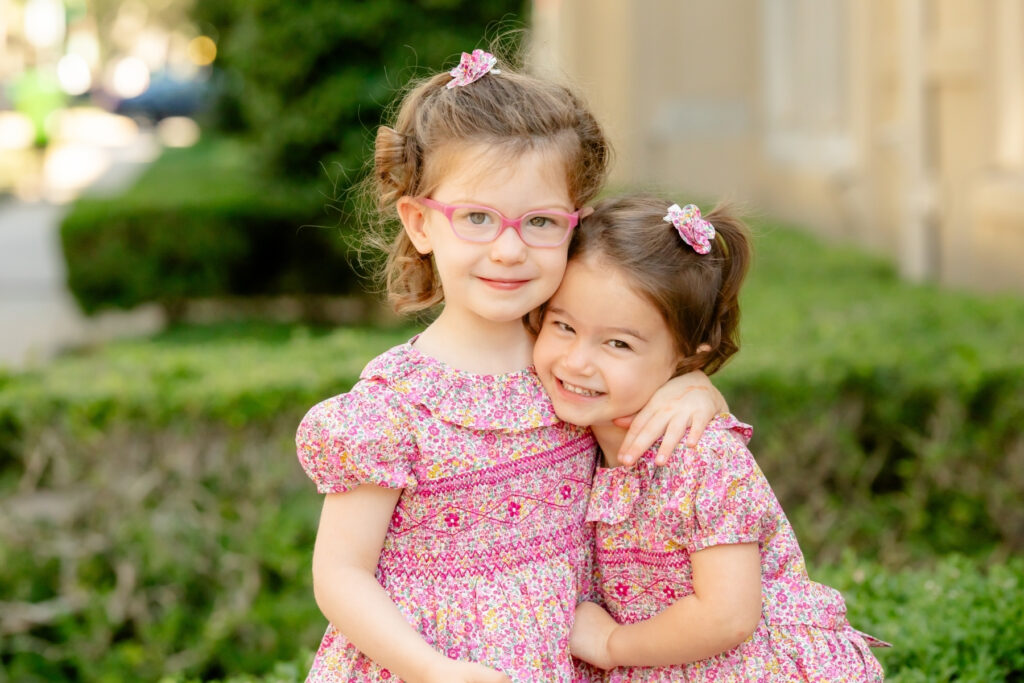
4. We Celebrate What They’re Doing Right
Positive reinforcement goes a long way.
“You’re sitting criss-cross applesauce! Hooray! You’re doing it!”
Children light up when they know they’re succeeding.
5. We Give Kids “Handles”
We use simple, repeatable phrases paired with movement so kids know exactly what to do.
“Let’s fly our little birdie hands down to our lap! Can you?”
It’s playful, visual, and easy to follow.
6. We Replace “But” With “At the Same Time”
This small shift keeps encouragement intact.
Instead of: “You’re shy, but you need to smile…”
We say: “You’re feeling a little shy, and at the same time, you’re doing a great job.” It validates their feelings while guiding them forward.
7. We Offer Two Positive Choices
Giving children control—within boundaries—makes a huge difference. “Do you want to sit on the red star or on the chair?” Either way, they’re participating. And they feel empowered.
The Result: Natural Smiles (and a Much Easier Day)
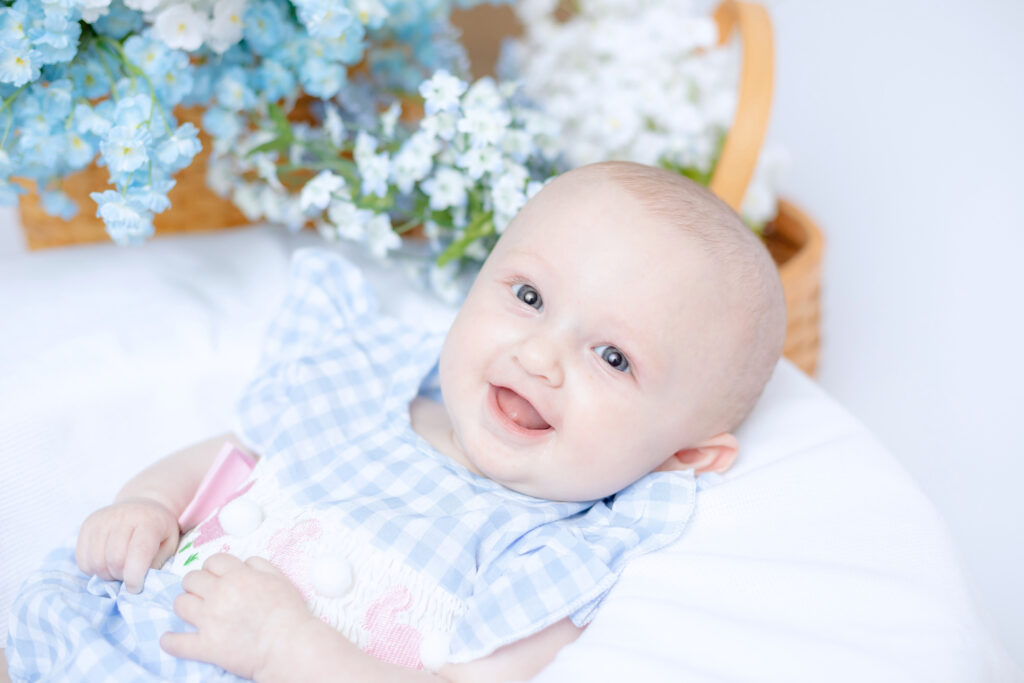
None of these techniques are complicated. But together, they completely transform the experience. Instead of a chaotic, stressful photo day, we create something that feels calm, respectful, and even fun. We become the people who came to school, made them laugh, and made them feel comfortable. And that’s exactly when the real expressions happen—the ones parents actually want to keep.
If Your Last Photo Day Felt Hard…
There’s usually a reason. And more often than not, this is the missing piece.
If you’re planning an upcoming photo day and want it to feel different this time around, we’d love to help.
Because your students deserve to feel confident, comfortable, and celebrated—and it shows in every image.